Are you thinking about renovating your home this year? In this article you will find practical and informative insights into ideas for renovating your home in 2026, with a focus on energy efficiency, open spaces, and smart technology. This guide takes you room by room, presenting innovative ideas with concrete examples on fixtures, flooring, fixtures, lighting, home automation, and furnishings.
Key Points
Always start with electrical, plumbing and thermal insulation before thinking about aesthetics
Take advantage of tax bonuses 2026: deductions up to 50% for ordinary and extraordinary renovations
Aim for thermal break window frames to reduce consumption and improve comfort
Design bright open spaces by breaking down non-load-bearing walls
Integrates home automation and smart solutions as early as the renovation phase
Evaluate the different possibilities offered by room-by-room renovation to optimize space and cost
Creative home renovation means combining aesthetics and functionality, focusing on strategic lighting and versatile materials
Before starting work, there are a few key things to define: budget, priorities and clear goals for your home, considering that targeted investments can make all the difference in the end result.
Home renovation: where to really start
Where do I start? That is the question on everyone’s mind. In 2026, careful planning is critical for economic restructuring, as it helps to prioritize and focus the budget on essential interventions.
Before thinking about colors and materials, check the condition of the structure, electrical system, plumbing, thermal insulation and fixtures, also carefully assessing the maintenance and renovation work needed. Forty percent of electrical systems in Italian homes are not up to code according to data from the Fire Department.
Practical things to do right away:
Updated floor plan survey with precise measurements of each room
Technical expertise by a surveyor or engineer
List rooms with critical issues: moisture, mold, seepage
Documented photos of each room to compare the before and after
Define the goal: open space home, smart home, green home or family home
This first step allows you to have clear information on which to base each subsequent choice.
Planning, permitting and budgeting: the basics of renovation
Good planning avoids economic surprises and construction delays. In 2026, the most common construction practices are:
Type of practice | When needed | Average times |
|---|---|---|
CILA | Knocking down partition walls, non-structural changes | 30 days |
SCIA | Moving kitchen or bathroom with facilities | 60 days |
Building Permit | Volumetric changes or interventions on vaults and ceilings | 3-6 months |
How to set a realistic budget:
30-40% for installations (electrical, plumbing, heating)
25% for finishes (floors, walls, doors)
15% for furnishings
10-15% for contingencies
Many renovations are eligible for tax breaks, which allow a portion of the expense to be recouped through deductions, reducing the overall cost of the intervention. The 2026 deductions cover up to 50 percent for ordinary renovations and up to 65-75 percent for energy upgrades.
Structural ideas: open space, extra rooms and long corridors
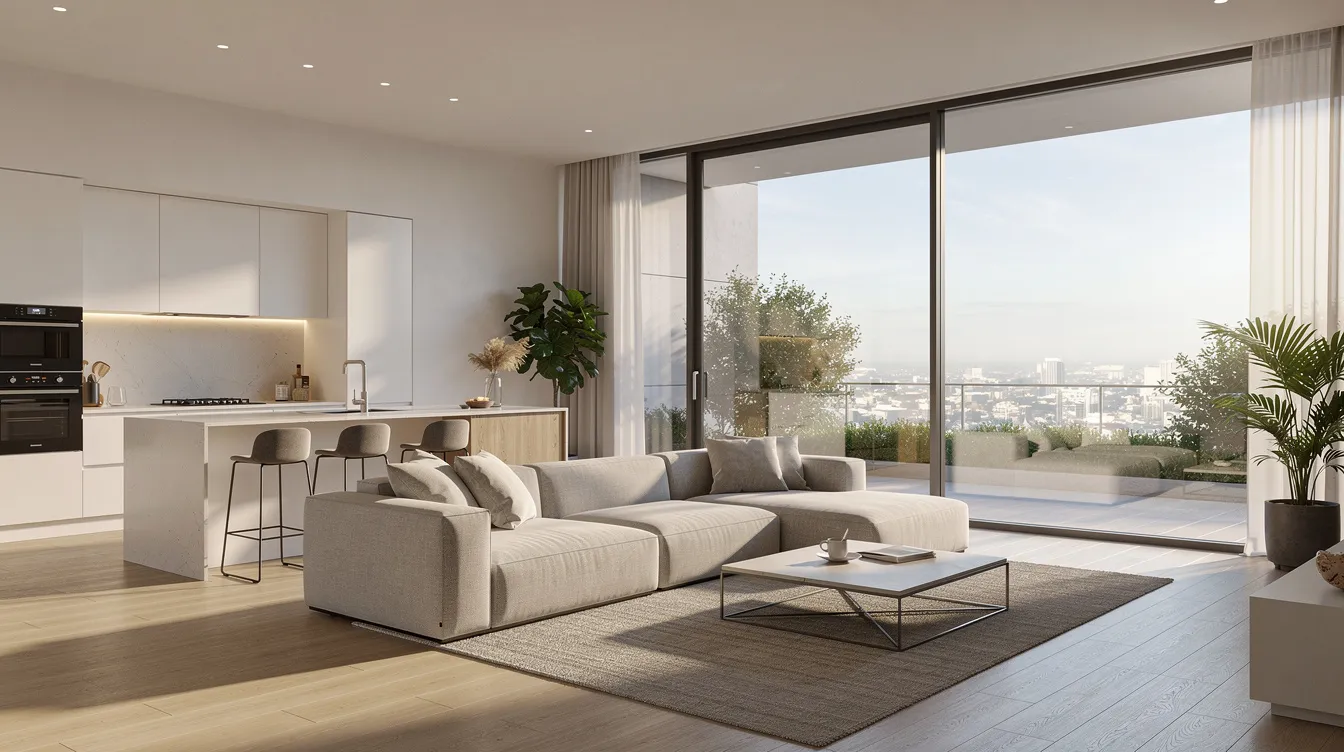
One of the most effective ideas for home renovation is to rethink the distribution of interior spaces. Knocking down non-load-bearing walls to create open space is a common trend in modern renovations, as it increases the brightness and livability of rooms. According to industry data, 60 percent of 2026 projects adopt open space solutions.
Concrete ideas for transforming spaces:
Moving the kitchen into the living room to make an extra bedroom
Enclosing part of a large living room with plasterboard or glass wall
Create continuity between kitchen and living room while maintaining functional areas with peninsulas or double-sided bookcases
Insert full-height sliding doors to separate without weighing down
Take advantage of verticality by installing mezzanines to create study areas or beds
Use full-height furniture to maximize storage in small spaces
Creating open spaces encourages the flow of natural light and communication between different areas of the home. The use of glass partitions is a contemporary way to increase brightness and the feeling of space while still maintaining division between rooms.
For long corridors typical of 1970s construction, turn them into galleries with lighted plasterboard niches, study areas with suspended counters, or flush-to-wall cabinets that recover 2-3 sq m of useful space. Knocking down nonload-bearing walls is a common practice to create contemporary open-plan spaces, allowing for more livable spaces.
Energy efficiency: installations, insulation and modern comfort
In 2026, renovating homes means improving energy performance first and foremost. Seventy percent of renovations aim to move from energy class G/F to A/B, saving an average of 1,500 euros a year in utility bills.
Priorities for energy efficiency:
Replace old gas boiler with air-water heat pump (efficiency up to 450%)
Install 3-6 kWp photovoltaic panels (ROI in 5-7 years with incentives)
Making the external or internal thermal coat
Replace old windows and doors with thermal break frames (Uw 1.0 W/m²K)
The energy efficiency of the house is an essential concept, especially in the key of thermal insulation, which can be ensured with the implementation of a thermal coat and the installation of thermal break windows and doors.
Practical solutions:
Decentralized VMC to combat moisture and mold with 90% heat recovery
Split air conditioners with air purification functions
Installing a smart thermostat can help optimize energy consumption by adjusting the temperature according to the actual needs of the home
Investing in better thermal insulation can make a difference in both comfort and savings, with interventions such as replacing window seals and applying insulation panels.
Already make provisions for home automation: conduits, network points in each room and sized electrical panel.
Flooring, walls and interior doors: giving a new style to the home
Much of the home’s eye appeal comes from flooring, paintwork and interior doors. Choosing neutral colors and natural materials, such as wood and stone, can transform the atmosphere of a home, making it more welcoming and modern.
Options for floors:
Sanding existing marble or grit (eco-friendly solution)
Laminate existing parquet floor for renovation
Overlaying 3mm thin stoneware without demolition
Microcement is a versatile coating that can be applied over existing surfaces, avoiding demolition and additional costs
Laying large porcelain or parquet slabs throughout the house creates an effect of continuity and breadth. Recommended combination: parquet or warm laminate in living areas and bedrooms, porcelain stoneware in kitchens and bathrooms.
For the walls:
Light and neutral shades (RAL 9010) visually expand spaces by 20 percent
An accent wall with modern wallpaper in living room or headboard bed
Use textural panels such as wood and stone to create accent walls
Painting walls with color blocks defines functional zones without using walls
Interior doors:
Sliding doors inside wall to recover 2 sqm per unit
Frosted glass doors to bring light into hallways and entrances
Lacquered flush doors for minimal effect
Natural light and artificial lighting: ideas to enhance any room
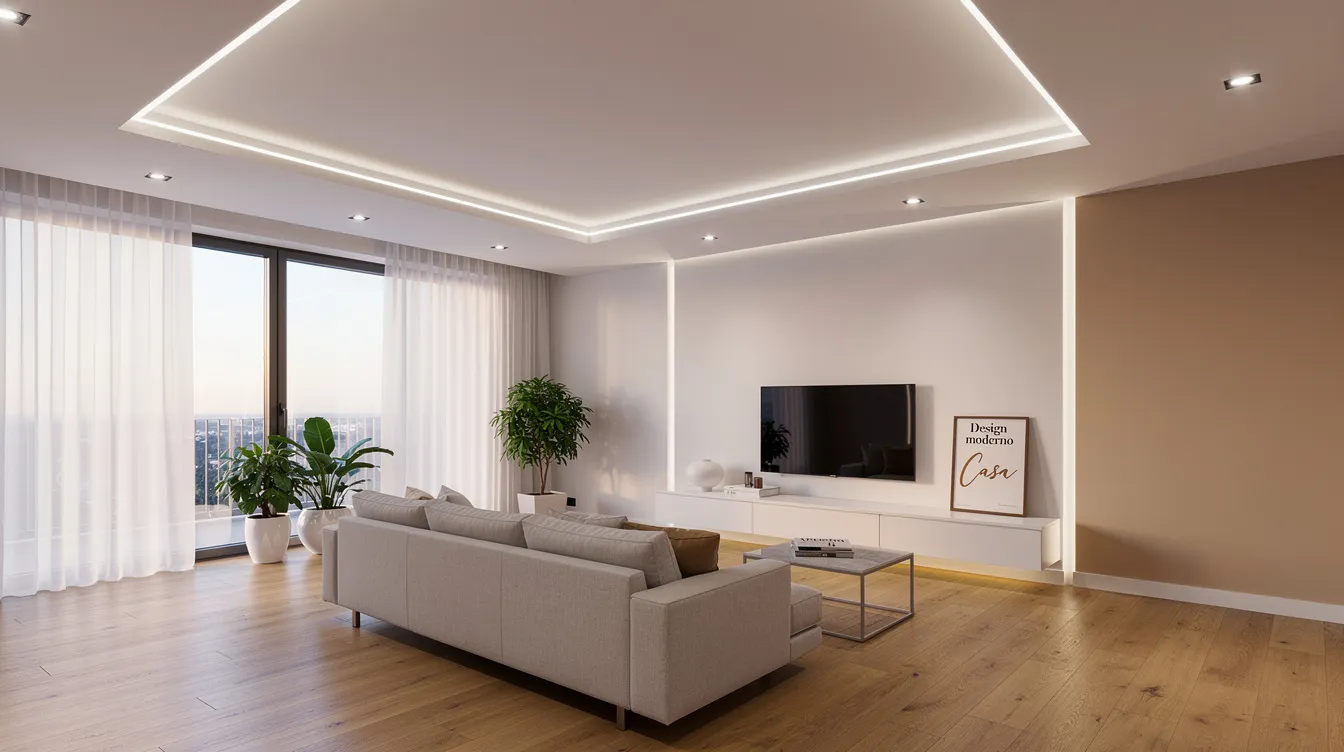
Light is one of the most important elements in renovations. Lighting plays a key role in modern renovations; the installation of panoramic windows and strategic lighting points can greatly improve the brightness of spaces.
Increase natural light:
Open French doors on balconies and gardens
Replace window frames with thin profiles (+30% light inputs)
Insert sliding glass windows between kitchen and living room
Placing large mirrors helps to visually expand spaces and increase natural light
Use glass-integrated blinds or exterior screens such as sunshades and aluminum shutters to manage light without weighing down rooms.
Layered artificial lighting project:
Type | Application | Example |
|---|---|---|
General | Recessed LEDs or adjustable tracks | Living room: 6 points on track |
Accent | Niches, paintings, architectural elements | Concealed LED strips |
Task | Kitchen countertops, desk, nightstands | 400 lux on work surface |
Use recessed LED strips and spotlights to create atmosphere and enhance architectural details. In the room, provide dimmable spots next to the bed.
Bathrooms and kitchen: the strategic rooms to rethink
Bathroom and kitchen are the rooms that most affect the functionality and value of the home. They are often the first to be renovated and require work on fixtures and surfaces.
Bathroom ideas:
Opt for flush walk-in showers and wall-hung sanitary ware for modern design
Large format 120×60 tiles reduce joints and facilitate cleaning
Suspended sanitary fixtures with translocated drain avoid major demolition
Water-saving faucets (-50% water)
Slender radiator and backlit mirrors
Kitchen ideas:
Open solutions with island or peninsula for socializing
Linear kitchens for narrow spaces
Quartz, HPL or stain-resistant stoneware tops
Doors with anti-fingerprint matte finishes
Design the electrical system well: plan for 8-12 outlets in the kitchen (Schuko IP44), light points on the countertop, and column outlets in the bathroom cabinet.
Integrated technology and home automation: the smart home in 2026
Home automation is one of the most current ideas for home renovation, improving comfort, safety and efficiency. Integrating home automation into renovation allows you to control lights, heating, and security via smartphone, improving home comfort and efficiency.
Smart systems to consider:
Programmable smart thermostats with savings up to 25 percent
App-based light control with customized scenarios
Motorized roller shutters and blinds
Smart sockets to monitor home appliance consumption
Typical scenarios:
“Get out of the house”: turns off lights, lowers blinds, activates alarm
“Cinema”: dim lights to 50 percent, close curtains
“Night”: turns off everything except night lights
Integrated security:
Smartphone-connected video intercom
Sensors on doors and windows
App-managed cameras
In the construction phase, plan adequate wiring: 2 network points per room, WiFi6 mesh and dimensioned home automation framework.
Outdoors, balconies and garden: extending the house outward
Balconies, terraces and gardens are true extensions of the home and deserve a dedicated design. Indoor-outdoor visual continuity is one of the strongest trends of 2026.
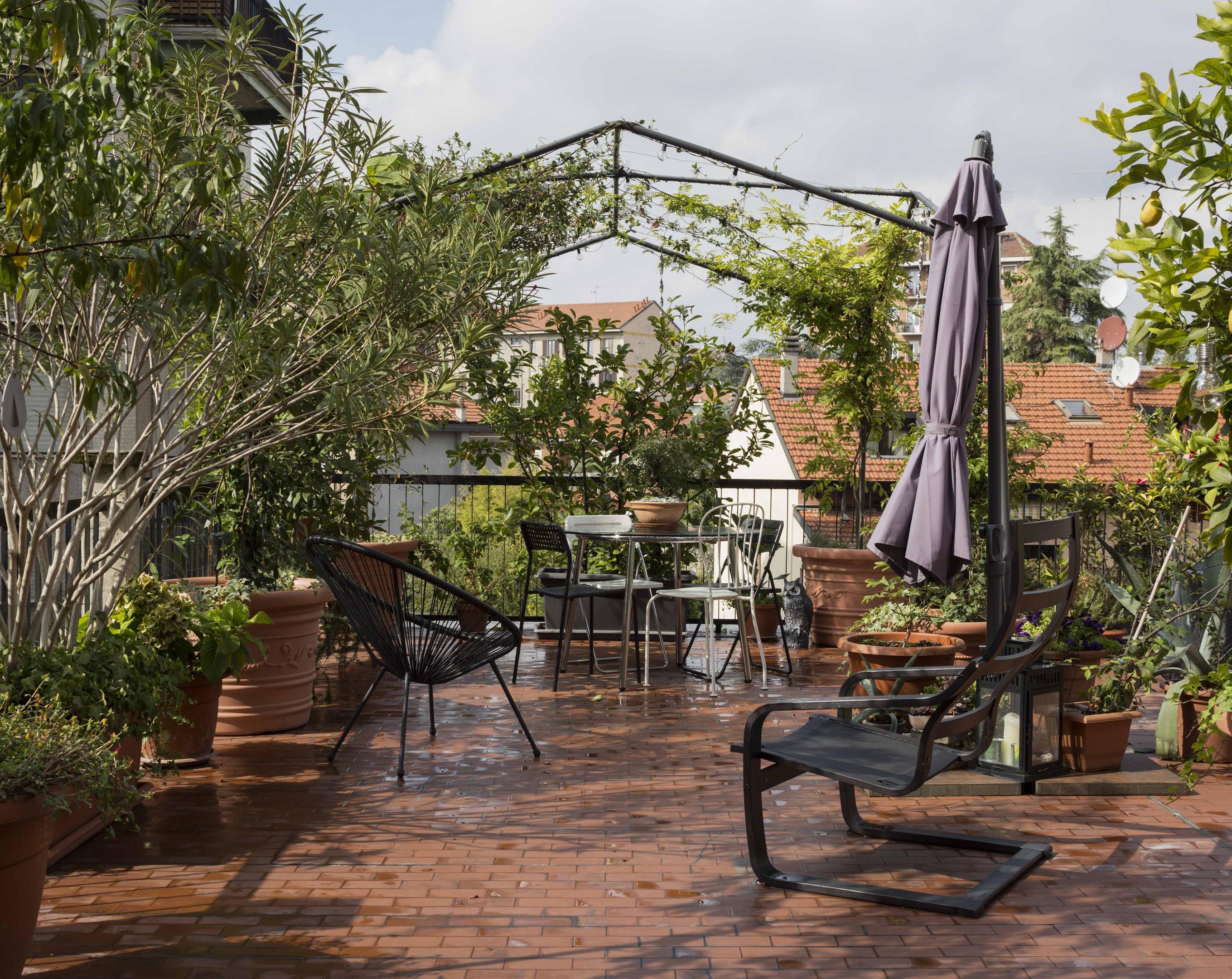
Ideas for city balconies:
Glass and aluminum railings for clean design and safety
Non-slip slatted stoneware raised floors R11
Linear planters and plants to decorate
Use plants to decorate and improve air quality
Small dining area with folding table
For gardens and yards:
Living areas with outdoor sofas
Bioclimatic pergolas with adjustable blades
LED soft lighting for evening use
Flush cabinets to hide equipment and meters
Uses same colors and kindred materials between interior and exterior, with large lift-slide glazed openings for passages up to 3 meters.
Conclusion: choosing the right ideas for your home
Home renovation always starts with systems and structure, and then moves on to materials, lighting, home automation, and furnishings. Each project requires tailor-made solutions: renovation ideas should be adapted to square footage, exposure, city, and lifestyle, enhancing the many possibilities offered by renovation.
How to proceed with awareness:
Make a list of 5 priority things to change right away
Identify the 5 changes to be planned in the next few years
Collect inspirational photographs and floor plans from magazines and the web
Build a clear vision before contacting technicians and businesses
Whether you stay in the historic center of Rome or in an apartment in Milan, the reality is that every home has its opportunities. With the right advice and clear guidance, the result will be a home that truly reflects the way you live. For more insights and practical advice, check out our dedicated article.
Frequently asked questions about home renovation
How long does it take on average to renovate an 80 square meter apartment?
For light work such as painting or overlay flooring, calculate 2-3 weeks. A complete renovation with redoing fixtures, bathrooms and kitchen takes 2-3 months. Actual times depend on building practices, complexity of work, availability of materials, and coordination among the contractor’s various activities. Always allow an extra 2-3 weeks margin over the dates initially given.
Is it better to renovate the whole house together or proceed by rooms?
One-step jobs are often cheaper (saving about 15 percent) and provide more consistency in the final result, but they are more invasive. Proceeding by rooms is more manageable if you continue to live in the house. In any case, if you have to redo electrical or plumbing fixtures, it is better to do it all at once. For cosmetic interventions such as painting and clothing of furnishings, you can proceed by steps. If the budget is tight, start with the kitchen and bathroom.
How to tell if a wall can be safely knocked down?
Only a licensed technician (architect, engineer, or surveyor) can verify whether a wall is load-bearing. A survey, structural verification and, in the case of changes to load-bearing walls, static design and specific building practice are needed. Avoid any DIY demolition without prior structural assessment: the risk of fines can reach 10,000 euros, in addition to structural damage.
Which rooms are worth renovating first if the budget is tight?
The question of priorities is clear: first the electrical and plumbing systems if they are not up to code, then the main bathroom and kitchen, and finally flooring and painting. Bedrooms require less expense (stains, flooring, storage units and cabinets) and can be addressed later. Take immediate action on moisture and mold problems for reasons of room health and durability. The best form of investment is one that ensures safety first.
Can I renovate the house while continuing to live in it?
It is possible for small jobs such as painting, replacing overlay floors or changing doors. It is more complicated for complete work on fixtures, bathrooms and kitchen. Organize work by zones, always keep at least one bathroom working and a small temporary cooking area. Protect furniture, clothing and items with tarps. For dustier phases, consider temporary housing. Follow up the construction site narrative with photos to document progress-it is also useful for any disputes and you can share it on facebook to inspire others.