Key Points
Interior design represents a strategic discipline that integrates architecture, interior space planning, construction site, furniture and economic management. This integration enhances the Italian design approach and transforms every room into a functional and aesthetically coherent space.
Functionality, flow and comfort combine with image to create refined balances.
Space optimization improves livability and value by maximizing the use of each square meter.
Light, materials, color and texture build precise identities in environments.
An interior designer can help optimize time, cost and quality of design choices through the careful selection of efficient solutions where quality and price are balanced.
A structured interior design firm such as Archventil coordinates designers, architects, suppliers, and the construction site to ensure consistent, quality results.
From Italy, as all the way to international markets such as New York, contemporary interior design always requires method, clear vision and careful control of the design stages.
What is interior design today
Interior design is the integrated design of residential, hospitality and office spaces through functional layouts, technical systems, lighting, materials, furnishings and atmospheres. It is not limited to simple furniture but encompasses the philosophy of contemporary living. It includes the study of volumes, pathways, and how design changes according to daily use and the specific function of rooms, regulations, acoustic comfort, and the quality of interior space.
The interior designer is a professional specializing in the design of interior spaces, a comprehensive figure with technical, creative, and coordinating skills, distinct from the interior designer, who is more focused on the organization, layout, and practical and economic optimization of environments, with the goal of creating functional and harmonious spaces. The interior designer manages spatial planning, selection of materials and colors, and coordination between architects and suppliers; his or her experience affects the quality of design choices and management of complexities to ensure unique results, even when the design changes in a manner consistent with habits, function, and characteristics of the rooms. The interior designer must comply with building requirements and local regulations, developing designs that conform to current regulations.
Archventil, a Milan-based studio founded in 2012, works on apartments, villas, boutique hotels and work spaces, offering comprehensive services that reflect Italian design excellence. A 65 m² two-room apartment in Milan, a penthouse in Lugano or a short-rent apartment in New York require different approaches, but the same design methodology based on Italian tradition.
The basic principles of interior design
The basic principles of interior design are based on the rules of architecture and visual perception to create functional and harmonious spaces, integrating form and function to create environments that are aesthetically pleasing and practical with the daily needs of those who live in them.
Each space must fulfill its functional purpose while maintaining ergonomic criteria. Furniture must relate to each other and to the dimensions of the room in correct proportions; scale concerns the absolute size of objects in the space. Balance distributes the visual weight of furniture and objects to convey stability. Rhythm guides the eye through space in a fluid manner. Repetition uses the same color, pattern or geometric shape at different points in the room, creating visual consistency. Contrast introduces visual interest and depth.
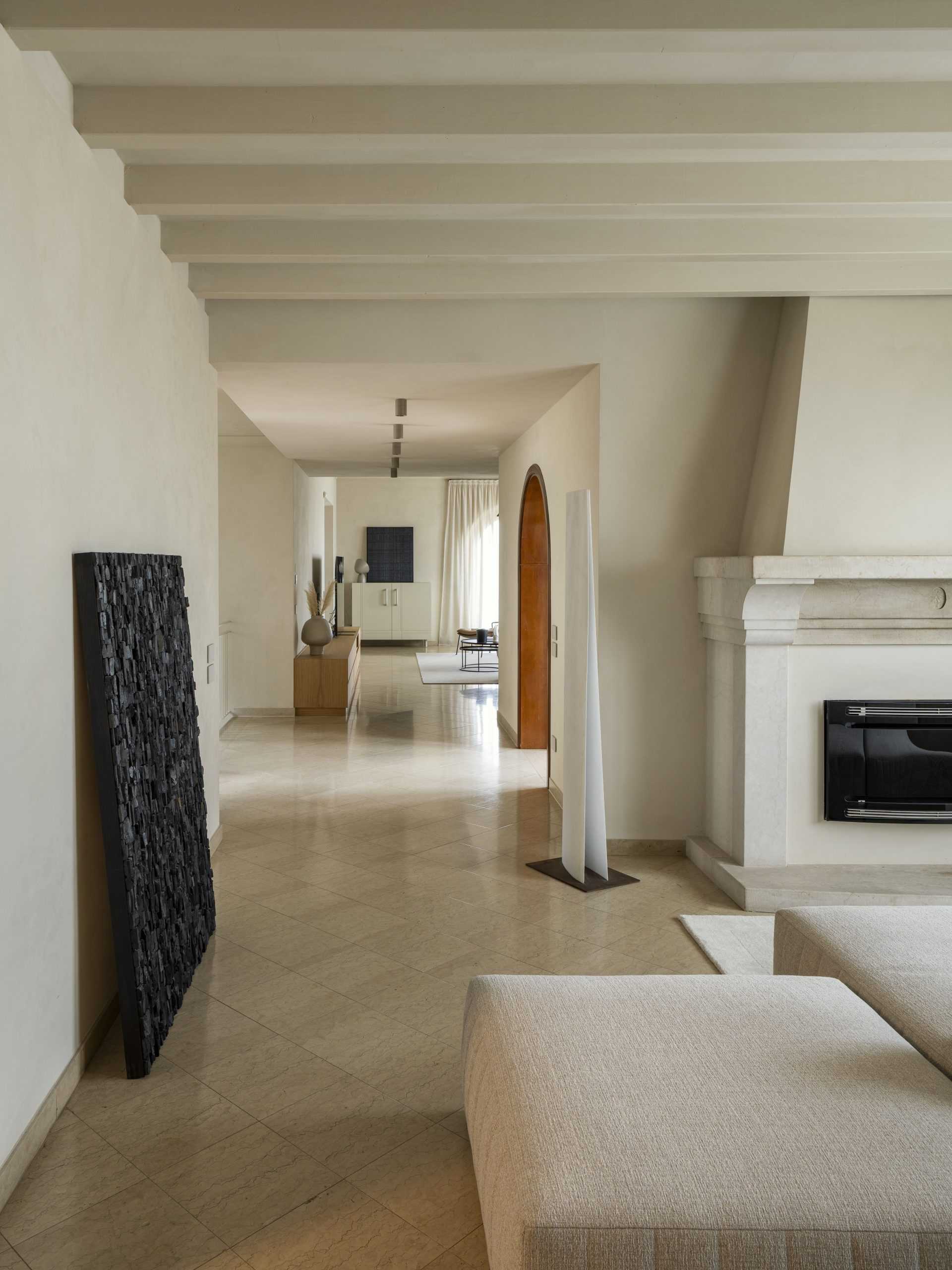
Furniture arrangement should consider available shape and size to ensure visual and functional balance. The focal point is the element that draws attention as you enter the room: a fireplace, a custom bookcase, a work of art, or a textural wall. Light is essential to enhance colors and shapes, influencing the atmosphere of the room.
Choosing a furniture style requires balancing aesthetics, personal taste, and everyday functionality. When selecting furniture, it is important to consider the overall style of the home and the desired atmosphere, evaluating textures, colors, and shapes, for example, choosing essential lines and neutral tones in a minimalist living room. If children or animals are present, it is advisable to avoid delicate materials or overly formal styles, favoring durable solutions.
Materials such as wood, glass, and metal give character and texture to spaces, contributing to their aesthetics and functionality. Natural oak, technical stone, smoked glass, burnished metals and technical fabrics define quality modern design based on Italian excellence. The selection of certified materials reduces maintenance, waste and future costs, following principles of sustainability.
Functionality and space optimization
Space planning is central, especially in dense cities like Milan or New York where every square foot has value. Small spaces require space-saving furnishings with clean lines: storage beds, full-height niches, fitted paneling, hidden laundry and built-in bookcases.
Redesigning partitions, transforming a hallway into a study area, or defining the arrangement of custom furniture in a 50 m² two-bedroom apartment improves livability, turning limitations into opportunities. An interior designer can design renovations that reduce future costs related to the furnishing and functionality of spaces, helping to make better use of each square meter than improvised solutions; the arrangement of furniture also directly affects livability.
Lighting: designing light, not just choosing lamps
A quality interior design project involves a lighting concept developed from the beginning. General, functional and accent lighting is needed: recessed, track, LED undercabinet, wall sconces, floor lamps, vertical cuts and perimeter grooves.
Dimmable LEDs and temperature 2700K-4000K allow switching between domestic atmosphere and working light. In the kitchen, technical light supports daily use; in the living room it creates depth; in the bedroom it promotes rest.
Materials and textures in contemporary design
A home or boutique hotel becomes recognizable through consistent combinations: heat-treated oak parquet flooring, canaletto wood paneling, sintered stone kitchen countertops, and stone-effect stoneware bathrooms. Matte surfaces, microcement, and decorative plasters are combined with brass, satin-finished steel, and smoked mirrors.
Sturdy materials and sound-absorbing panels are needed for reception, lobby and executive offices. Archventil handles FF&E procurement with precision: research, sampling, purchasing, quality control, logistics and installation.
Professional interior design process: from idea to turnkey
The quality of results depends on the ability to turn visions into concrete realities. Ideas may come from a moodboard that gathers inspiring images, but they must be translated into technical drawings, budgets, timelines, and deliverables.
Initial analysis and concept
It starts with space survey, technical information, systems check, condominium or historical building constraints. The brief considers daily life, needs, preferences, number of people, work from home, guests, children, budget, so that each choice stems from a clear design goal. The concept develops a visual guide with consistent palettes, materials, and a set of references, creating a common thread for all design choices.
Executive design of spaces
Demolition, new walls, kitchens, bathrooms, wiring, lighting, sections and 3D views are defined here. The interior designer is critical to ensure that a renovation project meets local codes and housing requirements, ensuring a quality end result.
Site management, time and budget
The general contractor coordinates labor, supplies, carpentry, lighting, and furnishings. A 100 m² apartment in Milan may require 4-6 months of work. A single direction, even with a small initial coordination fee, avoids overlaps, delays and uncontrolled costs, while also keeping the final bill for the work under control.
Interior design as a value lever for residential and hospitality properties
According to market estimates, the Italian interior design sector was worth about US$ 3,139.3 million in 2024 and will continue to grow toward 2030. In Italy, improving a property by two energy classes can increase its value by up to 15 percent, turning design and upgrading interventions into a lasting capital investment.
Private homes: quality of life and asset value
A 90 m² apartment can be optimized with a kitchen open to the living room, a glassed-in study, and a master suite. Walk-in closets, integrated audio-video systems, and spa bathrooms enhance future comfort and appeal, investing in the contemporary living experience.
Hospitality and investment: interior design as a branding tool
For boutique hotels, B&Bs and short rentals, interior design becomes a branding tool. Micro-apartments of 30-40 m² require optimized sleeping space, durable furniture, easy maintenance and strong photographic image for digital channels.
Services of a structured interior design firm such as Archventil
Archventil integrates design, site, furniture and procurement for residential, hospitality and contemporary work environments, serving clients in Italy, Switzerland and around the world with Italian design excellence.
Complete residential projects and major renovations
From pre-purchase assessment to delivery of the furnished home, Archventil analyzes potential, need, job price and feasibility. Apartments from the 1960s-80s become contemporary interiors with new bathrooms, integrated kitchens and custom furnishings.
Interior design for boutique hotels, B&Bs and short rentals
The method includes concept, target guests, positioning, replicable standards, contract materials, and turnkey delivery.
Contemporary workspaces: offices with residential comfort
Offices 2024-2026 seek domestic atmosphere: lounges, phone booths, focus zones, invisible wiring, and proper lighting for well-being and performance.
Current trends in interior design 2024-2026
Current trends in interior design include styles such as minimalism, industrial, and Scandinavian design, each with characteristics that influence the choice of furniture. These languages show how clean lines, natural materials and soothing palettes can translate into concrete solutions.
Minimalism focuses on essentiality and reducing superfluous elements, creating airy spaces, while industrial style uses materials such as raw metal and weathered wood for a rustic aesthetic. Scandinavian design is known for simplicity and elegance, with light wood, neutral colors and ergonomic shapes for cozy and functional rooms.
Warm minimalism evolves traditional minimalism: sand, taupe, olive green, terracotta, bouclé fabrics and soft light. Integrated technology means app-controlled home automation, motorized blinds and hidden sound systems. Antonio Citterio remains a reference for balance, rigor, and quality of detail, but each project must respond to the specific client, not just imitate famous names.
How to choose the right interior designer or interior design firm
When choosing an interior design firm, it is not enough just to evaluate the aesthetics of the projects. It is important to look at the portfolio, completed case studies, and stylistic consistency, but also to understand how well the firm is able to listen to the client’s needs, budget, and goals. A professional approach is often recognized by economic transparency, clarity of working method, and the ability to manage the project in an integrated way, from concept to final implementation. Reviews, concrete results, and quality of services also help to verify whether the initial proposal really matches the experience offered. Requesting before-and-after examples, floor plans, and an overall estimate also provides a better understanding of the firm’s design vision and level of organization. If there are dedicated promotions or packages, it is always useful to check their conditions, cumulability and any exclusions before proceeding with the purchase of the consultancy or services. For more complex renovations, a structure with project management and quality control often offers greater assurance than professionals working in isolation.
Conclusion: interior design as a conscious investment
Interior design enhances the daily life, asset value and identity of environments. It is not superficial decoration, but integrated design: space, light, materials, furniture, budget and results. Archventil accompanies private clients, investors and expats with a premium approach that reflects Italian excellence, contemporary and turnkey. To evaluate your next project, a preliminary consultation is the first step.
Frequently asked questions about interior design
How long does a complete interior design project take?
From 6-8 weeks for design-only with standard supplies, up to 4-8 months for complete renovations with custom furnishings. Archventil prepares a timeline in the early stages of the project.
What is the minimum budget to engage a firm like Archventil?
It depends on square footage, condition of the property, level of finish, and brand chosen. A concept consultation is more affordable; a turnkey requires a more structured investment.
Is it possible to follow a project at a distance if I don't live in Milan?
Absolutely. Archventil works with international clients through calls, shared platforms, photo reports, and online services designed to follow projects even remotely, while maintaining Italian quality.
What is the difference between interior designer and architect?
The architect deals with structural and regulatory aspects; the interior designer works on interior spaces, light, materials and furnishings. At Archventil, the skills work together for complete projects.
When to involve an interior design firm?
As soon as possible, ideally before purchase or before contacting the company. Pre-purchase counseling allows a realistic assessment of cost, time and potential, turning decisions into informed investments.