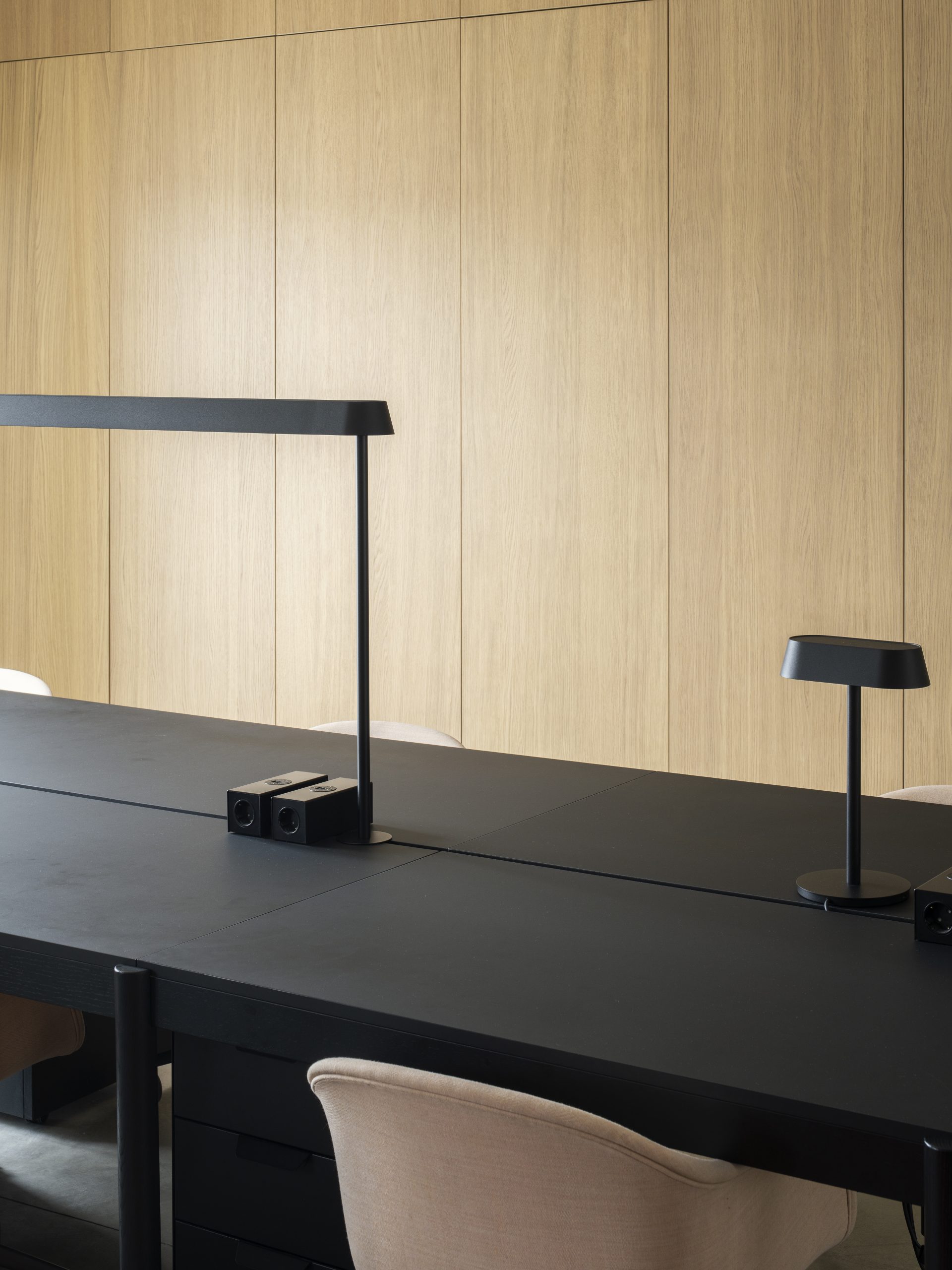
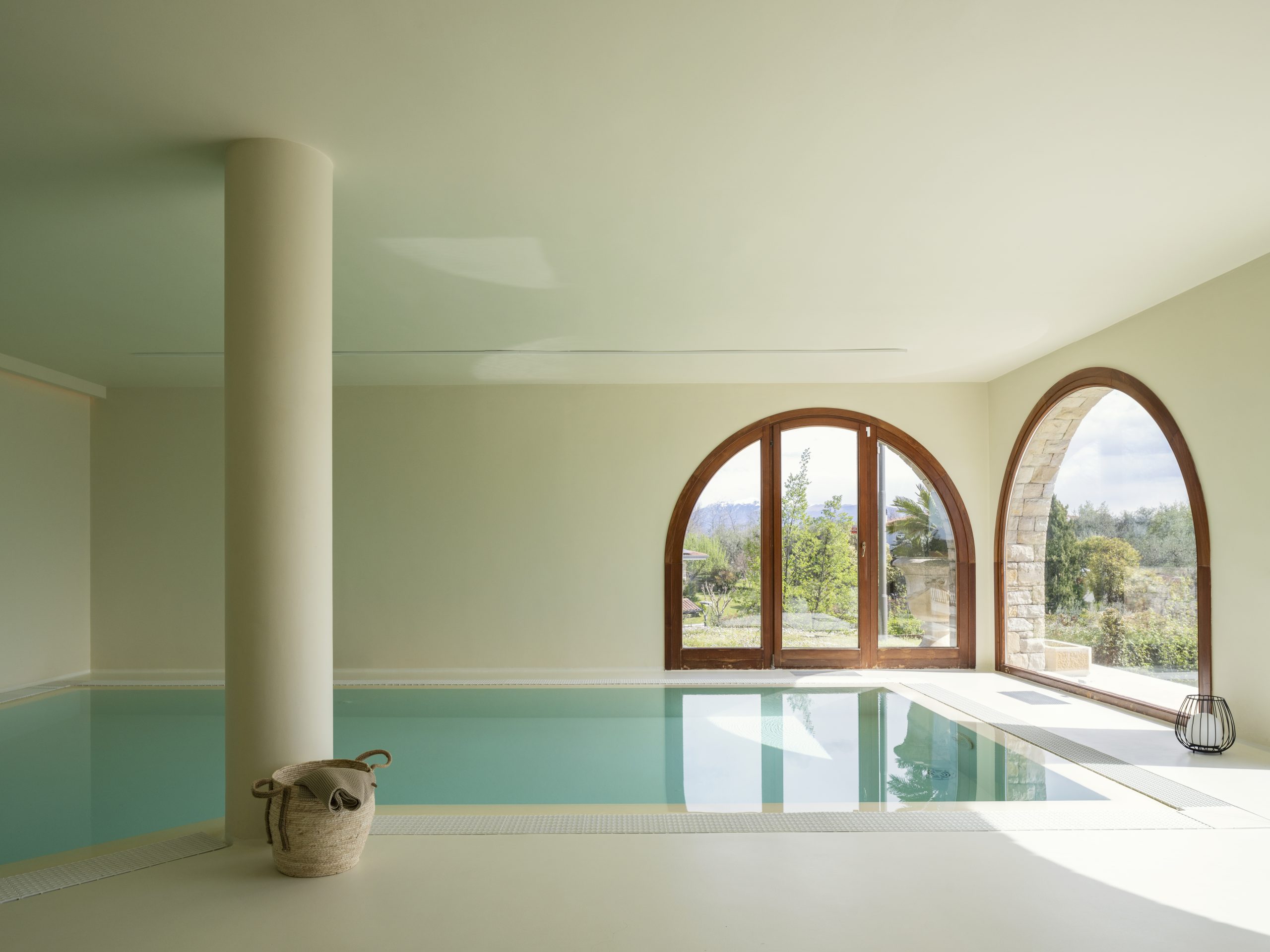
The redefinition of the floor plan, designed to create a greater stylistic and logical continuity among the rooms that could better guide visitors through the museum’s interior not on the level of visitor flow management but also from an emotional point of view, meant that each individual area, while remaining embedded in one large environment, found its own identity.
The reception area has been separated into 2 poles, the reception area precisely, where all the active operators of the space are located-infopoints, cashiers, and those in charge of various events (guided tours, concerts, exhibitions) and the bar area.
The problem of the limited availability of places in the checkrooms was remedied by adding several self-service places in the previously unused under-stairs area. Three different types of checkrooms were also created for visitors: 1 – self-service and stroller storage; 2 – staffed for private visitors; 3 – for groups.
The bookstore was equipped so that the range of books, magazines, souvenirs, design objects and all museum-related items, ceramics, jewelry, etc., would be even more attractive. For this purpose, different types of storage-display cases were specially made.
The waiting area for groups was organized with swings and audio sound using bird songs and forest sounds and is reminiscent of both the green setting in which the museums are located and the very graphics adopted for the project.
Entrances are marked by large black arches with suggestive lettering and infographics. The color palette was based on shades ranging from golden yellow (symbol of Empress Czarina, classical, traditional, museum) to forest green (park, green, contemporary).